
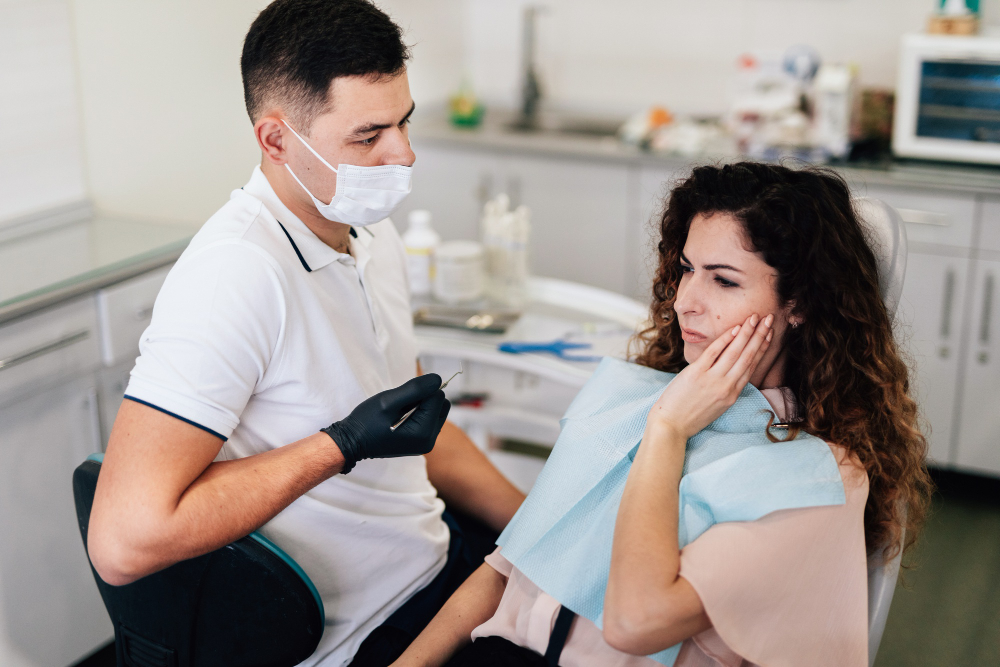
What Are Cracked Teeth?
Cracked teeth are teeth that have small lines or splits. These cracks can be shallow or deep. Sometimes, they are hard to see. However, they can cause pain or lead to bigger dental problems. Understanding cracked teeth is the first step in learning preventive measures for cracked teeth.
Why Preventing Cracked Teeth Matters
Cracked teeth can lead to discomfort and infection. In some cases, you may even lose a tooth. Because of this, preventing cracks is important for your dental health. Also, healthy teeth help you chew and speak well. Taking steps now can save you pain and costly dental treatments later.
Common Causes of Cracked Teeth
Many things can cause teeth to crack. For example, biting hard foods or objects puts stress on your teeth. Sometimes, grinding your teeth at night can also cause cracks. In addition, accidents or injuries may lead to cracked teeth. Even sudden changes in mouth temperature, like eating something hot and then drinking something cold, can be a risk.
Top Preventive Measures for Cracked Teeth
There are many ways to protect your teeth from cracks. By following these dental care tips for strong teeth, you can lower your risk.
Daily Oral Hygiene Tips
Good oral hygiene keeps your teeth strong and healthy. As a result, your teeth are less likely to crack.
Dietary Recommendations
Choosing the right foods can help protect your teeth from cracks. In addition, a balanced diet supports overall dental health.
Protective Habits
Protective habits are key in how to prevent cracked teeth. For example, a mouthguard can absorb shock and prevent injury.
Regular Dental Check-Ups
Regular visits help your dentist spot early signs of cracks. Early treatment can stop small problems from getting worse. The American Dental Association recommends routine dental care for everyone.
Signs You Might Have a Cracked Tooth
Sometimes, cracked teeth do not cause pain right away. Still, there are signs to watch for. If you notice any of these, you should pay attention:
Even if the pain is mild, it is important to act quickly. Early care can prevent bigger problems.
When to See a Dentist
If you think you have a cracked tooth, do not wait. You should see a dentist as soon as possible. Early treatment can save your tooth and prevent infection. Moreover, your dentist can give you advice on how to protect your teeth from cracks in the future. According to the CDC, regular dental visits are key for a healthy smile.
For the best results, follow these preventive measures for cracked teeth. If you have concerns, consult Dr. Chandrakanth Kasoju for personalized advice on preventing cracked teeth.